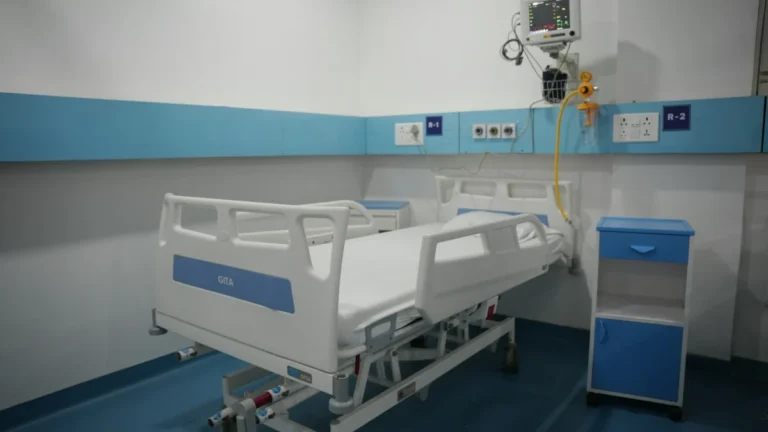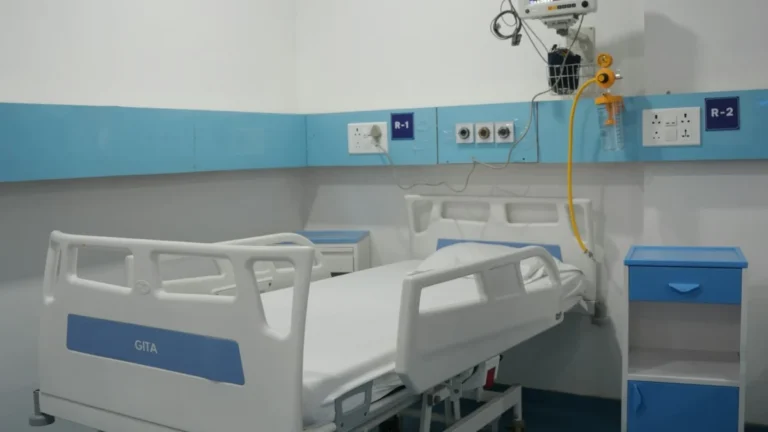
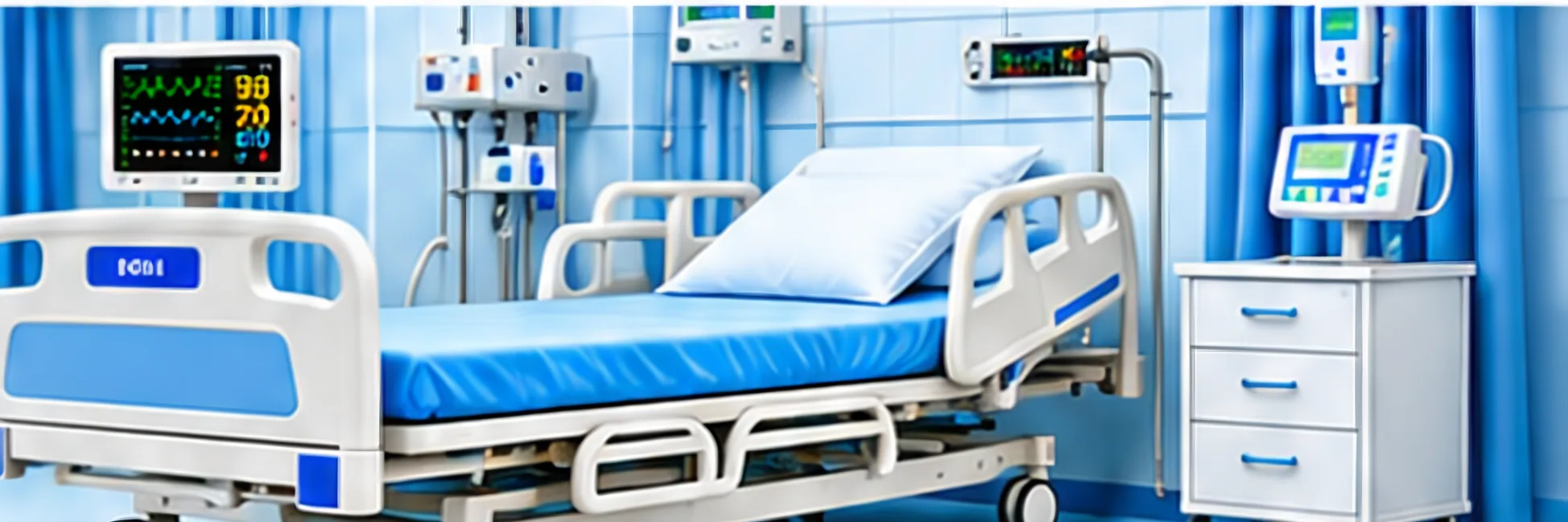

A patient monitor is bought for a place: a spot-check trolley in a clinic, a bedside in a general ward, a theatre, an ICU bay. The right choice depends on which vital signs must be measured, who the patients are, how long the monitor runs on battery, and whether it needs to talk to a central station. This guide explains the specifications that matter and compares the multi-parameter monitors on medlive.co.za using the specifications recorded on each product page.
1. Parameters: what the monitor measures
Specification sheets list parameters by abbreviation:
- ECG: heart rhythm, usually with 3-lead or 5-lead cables. Look for arrhythmia analysis if the monitor will watch cardiac patients.
- NIBP: non-invasive blood pressure from a cuff, giving systolic, diastolic and mean (SYS, DIA, MAP).
- SpO2 and PR: oxygen saturation and pulse rate from a finger or ear probe.
- RESP: respiration rate, usually derived from the ECG electrodes.
- TEMP: body temperature; dual-temperature models take two probes.
- EtCO2 (capnography) and IBP (invasive blood pressure): theatre and ICU parameters, often sold as optional modules.
A “five-parameter” monitor covers ECG, NIBP, SpO2, RESP and TEMP; “six-parameter” adds pulse rate or a second temperature channel. A spot-check monitor measures NIBP and SpO2 only and is lighter and cheaper.
2. Patient modes
Adult, paediatric and neonatal modes change cuff inflation limits and alarm defaults. A monitor for a maternity or children’s ward should list all three; a general adult ward can manage with adult and paediatric.
3. Screen, battery and noise
Screen size sets how many waveforms are readable from the end of the bed: 8-inch screens suit a trolley or a single bed, 12-inch and larger suit ICU bays and central viewing. Battery hours matter for patient transfers and power cuts; the models below range from about 4 hours to 15 hours. Fanless designs are quieter and keep dust out of the unit.
4. Alarms, trends and records
Every monitor sounds alarms when a reading crosses a limit; the useful differences are adjustable limits, how many hours of trend data are stored, and whether events can be reviewed later. A built-in thermal printer prints trend tables and alarm events without a PC.
5. Central station and networking
If several monitors will be watched from a nurses’ station, choose models that link to a central monitoring system by cable or Wi-Fi. Models from one manufacturer family generally share a station; mixing families usually does not work.
Comparison of the monitors Medlive supplies
Specifications below are as recorded on each product page from the manufacturer’s or supplier’s listing. Open the product for the full list, pricing for your country and availability, and confirm the configuration you need before ordering.
| Monitor | Parameters | Screen | Patient modes | Battery | Printer / central station | Suits |
|---|---|---|---|---|---|---|
| Contec CMS5100 | NIBP, SpO2, pulse | 2.8-inch | Not stated | Rechargeable Li-polymer | Trend graphs; stores 2,000 NIBP and 78,000 SpO2 readings | Spot checks in clinics and consulting rooms |
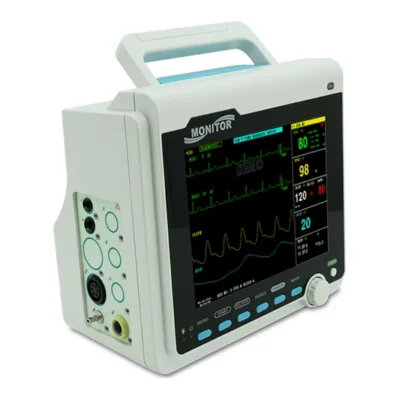
| JR2000B | ECG, NIBP, RESP, SpO2, pulse, temperature | 8-inch colour | Not stated | Not stated | 15-type arrhythmia analysis; optional CO2 module; fanless | General wards, emergency rooms |
| Contec CMS6000 | ECG, NIBP, SpO2, RESP, 2 × TEMP | 8.4-inch colour | Adult, paediatric, neonatal | Not stated | Networkable with the Contec central station; optional IBP and EtCO2 | Wards that need neonatal mode or a central station |
| Contec CMS7000 | ECG, RESP, SpO2, PR, NIBP, dual TEMP | 12.1-inch colour | Adult, paediatric, neonate | Replaceable battery | Built-in printer; central monitoring link; fanless | High-care wards |
| Contec CMS8000 | Standard five parameters | 12.1-inch | Not stated | Not stated | Built-in thermal printer; arrhythmia and ST analysis; IBP and EtCO2 upgrades | Theatre and ICU with upgrade options |
| Contec CMS9000 | Five parameters | 12.1-inch colour | Adult, paediatric, neonate | Replaceable rechargeable battery | 3G, Wi-Fi or wired link to central station; drug calculation tables | ICU bays watched from a nurses’ station |
| JR2000D | ECG, NIBP, RESP, SpO2, pulse, dual temperature | 12.1-inch colour | Not stated | Up to 4 hours | 13-type arrhythmia analysis; drug titration tables | Wards and high care |
| JR2000A | Five standard parameters | 5-inch touchscreen | Adult, paediatric | Up to 15 hours | Bluetooth to an Android app; optional EtCO2 module | Transport, ambulances, outreach |
| 15-inch multi-parameter ICU monitor | ECG, NIBP, SpO2, RESP, 2 × TEMP, PR | 15-inch touchscreen, up to 13 waveforms | Not stated | Up to 6 hours | Arrhythmia and ST analysis; wired or wireless central station link | ICU and theatre |
“Not stated” means the supplier’s listing does not give that detail; ask us to confirm it before you order.
Related equipment
- Capnography: the CA10S capnograph and the CA10M EtCO2 module add end-tidal CO2 where the monitor has no CO2 option.
- Resting ECG machines: the ECG 300G (3-channel with interpretation) and the ECG 1200G (12-channel, A4 printout) for diagnostic recordings rather than continuous monitoring.
- Consumables: adult and paediatric ECG electrodes, electrode gel and 80 mm ECG paper.
Buying for an institution
For several beds, send one list through the RFQ basket or the Bulk Orders upload, and say which parameters, patient modes and central-station link you need. The quotation confirms configuration, availability, delivery and, outside South Africa, pricing in US dollars. Browse the full range under Patient Monitors & ECG.
Specifications are taken from the product pages on medlive.co.za as recorded on 3 November 2026 and may change with manufacturer revisions. This guide is general information, not clinical advice.
Shop the range
All Patient Monitors & ECGProducts from this guide’s categories. Add quantities to your RFQ basket for a written quotation.
Doppler with C1 & 8MHz Probe
SKU ML-DIA-0125
R1,977.12 excl. VAT
D‑Heart ECG DHR10 8-Channel Bluetooth ECG
SKU ML-DIA-0107
R7,108.43 excl. VAT
Contec CMS6000A Patient Monitor with Mainstream ETCO2/NIBP/ECG/SPO2/TEMP
SKU ML-DIA-0080
R28,695.61 excl. VAT
Patient Monitor Trolley RWD-JH8852-2
SKU ML-DIA-0105
R5,842.28 excl. VAT


Need help choosing?
Send your list and quantities. Medlive confirms models, pricing and freight in writing.
Request a quotationWhatsApp us074 558 8800 WhatsApp us072 558 2599Ordering in bulk?